


What Are Intent Solvers?
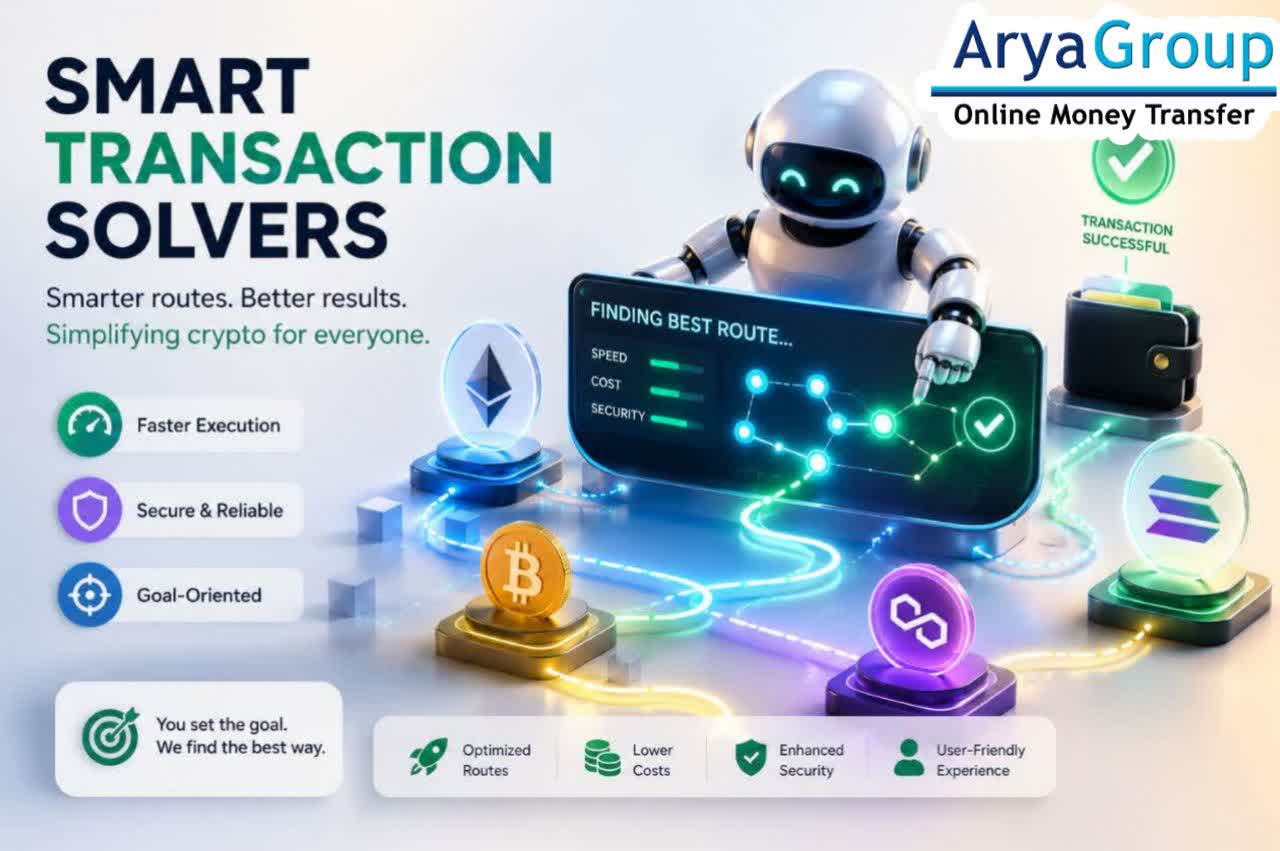
Intent Solvers: The Next Step in Crypto Trading
What Is an Intent Solver?
The cryptocurrency industry is gradually moving toward a model where users do not need to understand every technical step behind a transaction. One of the technologies contributing to this shift is the Intent Solver.
Instead of telling a blockchain exactly which actions to perform, users can describe the result they want. For example, someone might want to exchange one cryptocurrency for another while receiving the best possible outcome. Rather than manually selecting a decentralized exchange, checking liquidity, calculating fees, approving tokens, and submitting several transactions, the user simply expresses the desired outcome.
The system then attempts to find the most efficient way to achieve that objective.
How Intent-Based Transactions Work
From Instructions to Desired Outcomes
Traditional blockchain transactions are generally action-oriented. A user specifies what should happen, such as interacting with a particular smart contract or swapping assets through a particular protocol.
Intent-based systems reverse this process.
The user communicates an intent, while specialized participants known as solvers compete to determine how that intent can be fulfilled. The solver may search across different liquidity sources, protocols, or blockchain environments before presenting a solution.
This creates a separation between what the user wants and the technical path used to achieve it.
The Role of Solvers
Solvers are important because they act as problem-solvers within the blockchain ecosystem. They can evaluate available routes and identify opportunities that may provide better execution.
For example, if a user wants to exchange assets, a solver could compare multiple liquidity sources and determine which route offers the most favorable result after considering factors such as price, liquidity, transaction costs, and execution conditions.
The goal is not simply to execute a predefined transaction. It is to discover an effective way of reaching the user's requested outcome.
Why Intent Solvers Matter for Cryptocurrency
Simplifying the User Experience
Blockchain applications can be complicated for newcomers. Users often have to understand wallets, gas fees, token approvals, decentralized exchanges, bridges, networks, and smart contracts.
Intent-based systems can hide much of this complexity.
A user can focus on the objective rather than the underlying infrastructure. This could make decentralized applications easier to use and potentially bring blockchain technology to a wider audience.
Improving Transaction Efficiency
Another potential advantage is better execution.
Because solvers can search through different options, they may find routes that are more efficient than the path selected manually by a user. In some cases, this could reduce unnecessary transactions, improve pricing, or make better use of available liquidity.
However, the quality of the result depends heavily on the design of the protocol and the competition between participating solvers.
Intent Solvers and Cross-Chain Activity
Reducing Blockchain Complexity
The cryptocurrency ecosystem consists of numerous independent networks. Moving assets or completing an activity across several chains can therefore become complicated.
Intent-based infrastructure aims to make these differences less visible to users. Instead of requiring someone to understand every bridge, network, and transaction involved, the system can focus on fulfilling the requested outcome.
This approach could become particularly valuable as the blockchain industry becomes increasingly fragmented across Layer 1 networks, Layer 2 solutions, and application-specific chains.
Challenges and Risks
Trust and Transparency
Intent Solvers also introduce new challenges. Users need confidence that solvers are acting fairly and that the final outcome matches the conditions they requested.
Protocols must therefore establish clear rules around solver competition, settlement, verification, and user protection.
Liquidity and Competition
Solvers need access to sufficient liquidity and competitive markets. If only a small number of participants are available, users may receive less favorable outcomes.
Healthy competition can encourage better execution, but creating an open and efficient solver marketplace remains a significant technical and economic challenge.
Security Considerations
Smart contracts, bridges, settlement mechanisms, and solver infrastructure can all introduce security risks. A weakness in any part of the system could potentially affect the user experience or the assets involved.
For this reason, intent-based protocols require strong security practices, careful economic design, and reliable verification mechanisms.
The Future of Intent-Based Crypto
From Transaction Execution to Goal Execution
The broader significance of Intent Solvers is that they could change how people interact with blockchains.
Today, users often need to think like blockchain operators: choose a network, select a protocol, estimate fees, approve transactions, and manage execution.
The intent-based model moves toward a different experience: tell the system what you want, and let specialized infrastructure determine how to accomplish it.
A More Accessible Blockchain Ecosystem
If the technology continues to mature, Intent Solvers could help transform blockchain applications into more user-friendly financial and digital platforms. The technical complexity would increasingly remain behind the scenes, while users interact with straightforward goals.
Final Thoughts
Intent Solvers represent an important development in the evolution of cryptocurrency infrastructure. They do not eliminate the complexity of blockchain systems; instead, they attempt to move that complexity away from the user.
Their long-term success will depend on security, transparency, solver competition, liquidity, and the ability to consistently deliver the outcomes users request. If these challenges are addressed, intent-based architecture could become a major part of the next generation of decentralized applications.

Add New Comment