


What Is Mantle?
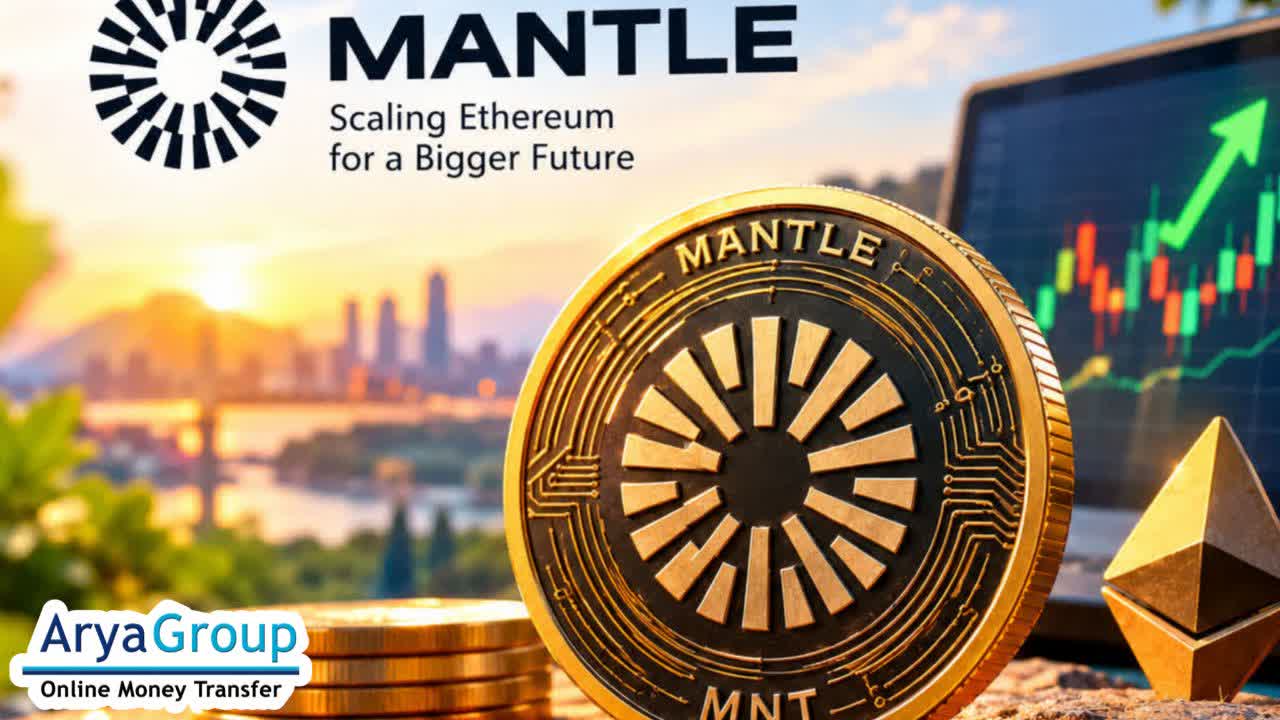
Mantle (MNT): A New Path for Ethereum
Mantle (MNT) has emerged as one of the notable projects in Ethereum’s Layer 2 ecosystem, combining blockchain scaling with a broader financial ecosystem. Rather than competing with Ethereum directly, Mantle is designed to operate on top of it, aiming to make transactions more efficient while expanding the range of decentralized applications and financial products available to users.
At its core, Mantle Network is an Ethereum Layer 2 platform. Its architecture is modular, meaning different parts of the blockchain infrastructure can be developed and upgraded separately. Mantle has also moved toward zero-knowledge validity proofs, a major change from its earlier optimistic-rollup design.
What Is Mantle (MNT)?
MNT is the native token of the Mantle ecosystem. It has several roles within the network, including governance and paying transaction fees. Mantle's official materials also describe MNT as a key component of the ecosystem's broader growth strategy.
The project originated from the BitDAO ecosystem. In 2023, BIT was migrated to MNT on a 1:1 basis as part of the transition to the Mantle ecosystem. This gave Mantle access to an established treasury and community while creating a new identity centered around the Mantle Network.
How Does Mantle Network Work?
One of Mantle’s main ideas is modular blockchain design. Instead of handling every function within one tightly integrated system, Mantle separates important components such as transaction execution, data availability and finality.
The network has also integrated EigenDA for data availability and has adopted ZK validity technology as part of its newer architecture. The goal is to process transactions efficiently while retaining Ethereum as the underlying settlement layer.
This approach is important because Ethereum remains one of the largest ecosystems for smart contracts and decentralized applications. Layer 2 networks such as Mantle can provide an additional environment where applications can operate with lower transaction costs and greater scalability.
MNT and Governance
MNT is more than a transaction token. It also gives holders a role in Mantle's governance system.
According to Mantle, token holders can participate in decisions affecting the ecosystem, including proposals involving initiatives and treasury resources. Governance generally works through proposals, delegation and voting.
This model gives the community a formal mechanism for influencing the direction of the network instead of leaving every major decision to a centralized development team.
Mantle Is Expanding Beyond Layer 2
One of the more interesting aspects of Mantle is that the project is not focused exclusively on transaction scaling.
Its ecosystem includes products connected to liquid staking, Bitcoin-related applications and decentralized finance. Mantle's ecosystem materials highlight products such as mETH Protocol and Function, reflecting an effort to build a broader financial environment around the network.
This wider strategy could make Mantle more than simply another Ethereum scaling network. The project's objective is increasingly connected to bringing different forms of digital assets and financial applications into one ecosystem.
The Role of the Mantle Treasury
Another important part of the Mantle story is its treasury. The project inherited significant financial resources from the BitDAO ecosystem, which gives it an unusual financial base compared with many newer blockchain projects.
Mantle says its treasury is used as part of its broader ecosystem strategy, including supporting initiatives and managing resources through governance.
A large treasury can provide opportunities for ecosystem development, although it does not automatically guarantee the success of a blockchain or its token.
MNT Market Position
As of September 6, 2026, CoinGecko lists MNT at roughly $0.57, with a market capitalization of about $1.9 billion and approximately 3.3 billion MNT in circulation. Its recorded all-time high is $2.86, reached in October 2025. Cryptocurrency prices can change rapidly, so these figures should be treated as a snapshot rather than a permanent valuation.
The difference between the current price and its previous peak also illustrates the volatility associated with crypto assets. Network development, market sentiment, liquidity, competition among Layer 2 projects and broader conditions in the cryptocurrency market can all influence MNT's value.
What Could Shape Mantle’s Future?
Mantle's future will depend partly on whether it can attract developers, users and liquidity while continuing to improve its technology.
Competition is particularly strong in Ethereum's Layer 2 sector. For Mantle to maintain its position, technical upgrades alone may not be enough. A successful ecosystem needs useful applications, active users, reliable infrastructure and strong developer participation.
Its broader strategy could become an advantage if Mantle succeeds in connecting Layer 2 infrastructure with products involving staking, Bitcoin and other financial applications. On the other hand, expanding into multiple areas can also introduce additional complexity and competition.
Final Thoughts
Mantle (MNT) represents an ambitious attempt to combine Ethereum scaling with a wider blockchain-based financial ecosystem. Its modular architecture, evolving ZK technology, governance model and expanding product range distinguish it from projects focused solely on transaction throughput.
The key question for Mantle is not simply whether its technology works, but whether it can build sustained demand around the network and its applications. As the Layer 2 market becomes increasingly competitive, adoption and real-world utility will likely be just as important as technical innovation.

Add New Comment