


Understanding 51% Attacks
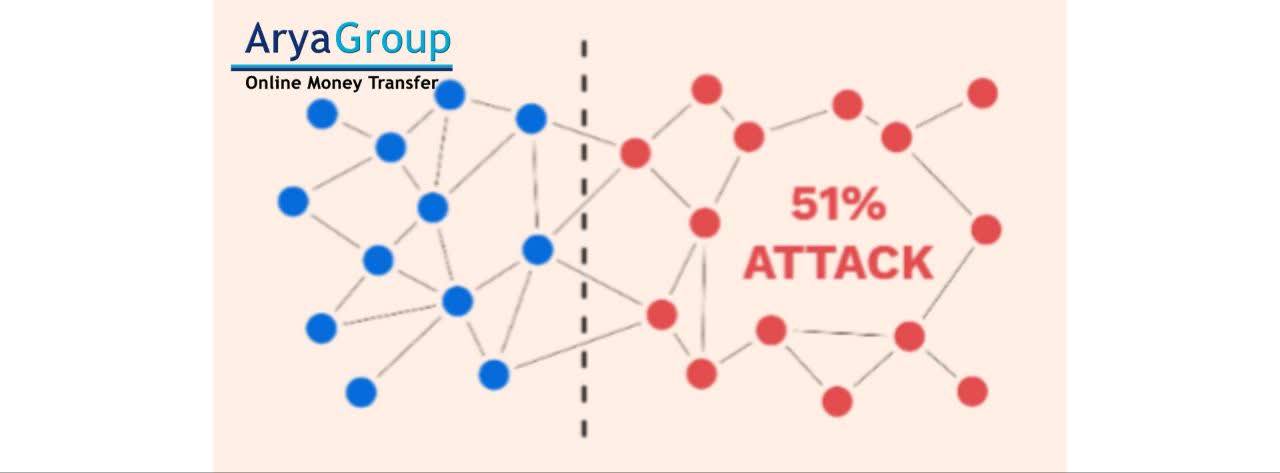
A 51% attack occurs when a single malicious entity or group gains control of more than 50% of a blockchain network's mining or staking power. This majority control allows the attacker to manipulate the network, such as double-spending coins, preventing transaction confirmations, or censoring transactions. Protecting against such attacks is crucial for maintaining the integrity and trustworthiness of a cryptocurrency network.
How 51% Attacks Occur
- Control over hashing power or stake: The attacker must acquire majority control over the network’s proof-of-work (PoW) hashing power or proof-of-stake (PoS) tokens.
- Manipulation capabilities: With majority control, the attacker can:
- Rewrite transaction history (double-spending)
- Prevent certain transactions from being confirmed
- Halt the confirmation of new transactions
Challenges in Protecting Against 51% Attacks
- Decentralization: Highly decentralized networks are harder to attack because distributing hashing power or stake makes it costly for any single entity to gain majority control.
- Cost of attack: Acquiring enough computational power or tokens to dominate the network can be prohibitively expensive, especially for large, well-established networks.
- Network security measures: Implementing protocols that make it difficult or costly to amass majority control.
Strategies and Technologies to Protect Against 51% Attacks
1. Consensus Algorithm Design
- Proof of Work (PoW):
- Difficulty in acquiring majority control due to high energy and hardware costs.
- Examples: Bitcoin, Litecoin.
- Proof of Stake (PoS):
- Requires acquiring a majority of tokens, which can be expensive.
- Examples: Ethereum 2.0, Cardano.
2. Network Decentralization
- Distributed mining/staking: Encouraging widespread participation to prevent centralization.
- Node distribution: Promoting a diverse set of validators and miners across different regions and entities.
3. Adaptive Difficulty and Penalties
- Adjusting mining difficulty dynamically to prevent attackers from gaining easy control.
- Implementing penalties or slashing mechanisms in PoS to deter malicious behavior.
4. Checkpointing and Finality Mechanisms
- Using checkpoints or finality gadgets to make it harder to reorganize the blockchain history beyond certain points, reducing the attacker's ability to double-spend.
5. Monitoring and Detection
- Continuous network monitoring to detect unusual mining or staking activity.
- Alert systems to identify potential majority control.
6. Economic and Social Measures
- Community governance: Implementing governance protocols to respond swiftly to suspicious activities.
- Economic deterrents: High costs for mounting a sustained attack discourage malicious actors.
Limitations and Considerations
- No absolute immunity: While protections exist, no system is entirely immune to 51% attacks, especially in smaller or less secure networks.
- Cost of attack vs. network value: Larger, more valuable networks are inherently more resistant due to higher attack costs.
- Potential for fork or rollback: Attackers may attempt to reorganize the blockchain, but robust protocols and community consensus can mitigate damage.
Conclusion
Protection against 51% attacks is a multifaceted challenge that involves careful network design, decentralization, economic incentives, and vigilant monitoring. As cryptocurrencies evolve, ongoing improvements aim to make such attacks increasingly difficult and costly, thereby safeguarding the integrity and trustworthiness of blockchain networks.
Add New Comment