


Trump’s Crypto Fortune Faces Scrutiny
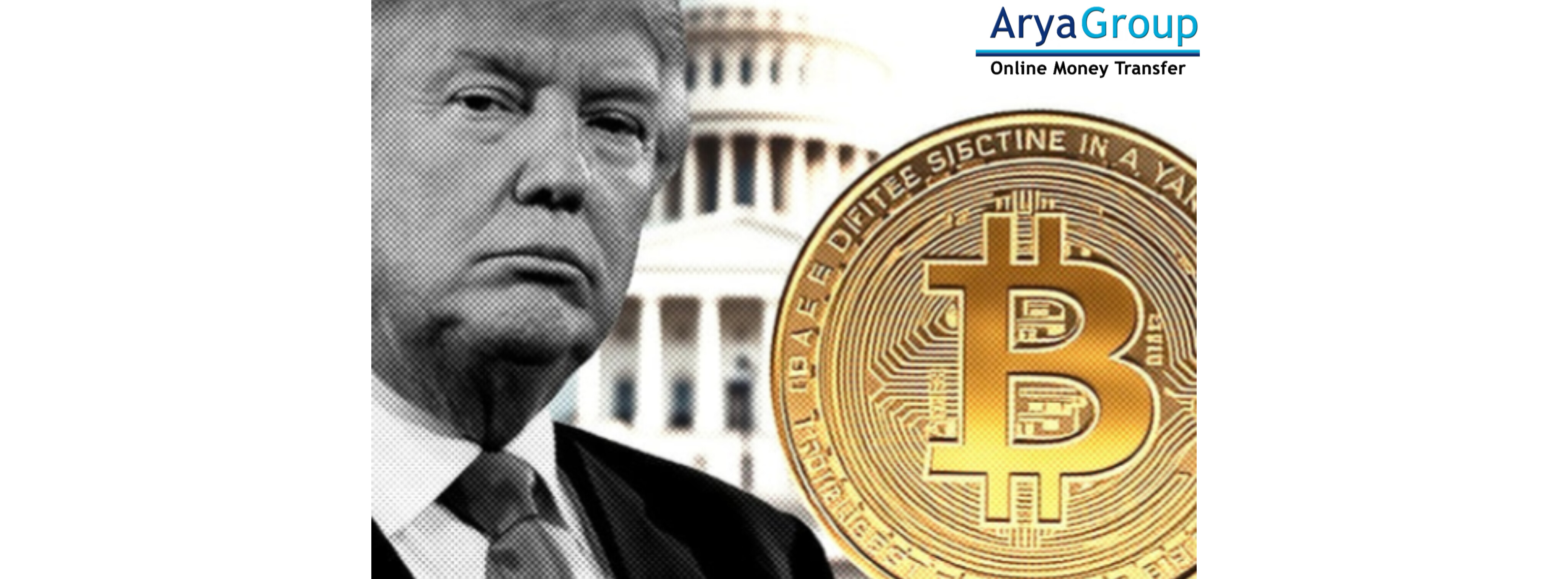
Donald Trump's expanding involvement in the cryptocurrency industry has become one of the most discussed topics in global financial markets after new financial disclosures revealed that he earned more than $1.4 billion from crypto-related ventures during the previous year. The disclosure has intensified debate over the relationship between political leadership, digital asset investments, and public policy, with supporters praising the growth of the cryptocurrency sector while critics question whether such financial interests could create conflicts between private business activities and government decision-making.
The financial disclosure indicates that cryptocurrency has become one of the largest contributors to Trump's personal wealth. A significant portion of the reported income came from projects associated with World Liberty Financial, a decentralized finance venture linked to the Trump family, alongside substantial revenue generated from the sale and licensing of Trump-branded digital tokens and other blockchain-related businesses. These figures illustrate how rapidly cryptocurrency has evolved from a niche investment sector into a major source of wealth for high-profile political and business figures.
The timing of these disclosures has attracted particular attention because the Trump administration has adopted a more favorable approach toward the cryptocurrency industry. During his presidency, several policies supporting digital asset innovation, stablecoin development, and a more flexible regulatory environment have been introduced. Supporters argue that these measures encourage innovation, attract investment, and strengthen the United States' position as a global leader in blockchain technology. Critics, however, contend that the overlap between public policy and private financial interests deserves careful examination.
Much of the public discussion centers on the concept of conflict of interest. Ethics experts argue that when a public official has substantial financial exposure to an industry directly affected by government policy, questions naturally arise regarding impartiality and transparency. Although conflict-of-interest concerns do not automatically imply legal wrongdoing, they often lead to increased public scrutiny and calls for stronger ethical safeguards. In this case, lawmakers and watchdog organizations have renewed discussions about whether additional rules governing financial holdings by senior government officials are necessary.
The White House has rejected allegations of improper conduct. Administration representatives maintain that Trump's business assets are managed independently through established legal structures and emphasize that he does not directly control day-to-day management decisions. Trump has also publicly defended his financial success, stating that his investment gains resulted from market performance rather than presidential actions, while insisting that his cryptocurrency activities comply with existing laws.
Beyond the political debate, the disclosures also highlight the increasing influence of digital assets within the global financial system. Cryptocurrency projects once considered highly speculative are now capable of generating billions of dollars in revenue and attracting institutional investors, multinational businesses, and government attention. This transformation reflects the growing maturity of blockchain technology and its expanding role within international finance.
The controversy has also renewed focus on meme coins, decentralized finance platforms, stablecoins, and tokenized financial products. These sectors have experienced rapid growth in recent years, encouraging greater participation from institutional investors while simultaneously increasing demands for clearer regulatory oversight. As digital asset markets continue expanding, governments around the world face the challenge of encouraging innovation without compromising transparency, investor protection, or public confidence.
Political reactions remain sharply divided. Some policymakers argue that stronger ethics rules should prevent elected officials and their immediate families from financially benefiting from industries they help regulate. Others believe existing disclosure requirements already provide sufficient transparency and that participation in legal business activities should not automatically disqualify individuals from public office. This disagreement has fueled broader debates over the future of financial ethics in an increasingly digital economy.
For cryptocurrency markets, the disclosures represent more than a political story. They demonstrate how digital assets have become deeply interconnected with mainstream finance, government policy, and global investment strategies. Investors are increasingly recognizing that cryptocurrency prices and industry development can be influenced not only by technological innovation and market demand but also by political decisions, regulatory reforms, and public confidence.
Looking ahead, discussions surrounding Trump's cryptocurrency income are likely to continue as lawmakers, regulators, investors, and ethics experts evaluate the long-term implications. Regardless of political viewpoints, the disclosures have reinforced one important reality: cryptocurrency is no longer a niche financial experiment. It has become a major economic force capable of influencing politics, regulation, institutional investment, and the future direction of the global financial system.
Add New Comment