


Bitcoin Miner MARA Boosts CEO Security
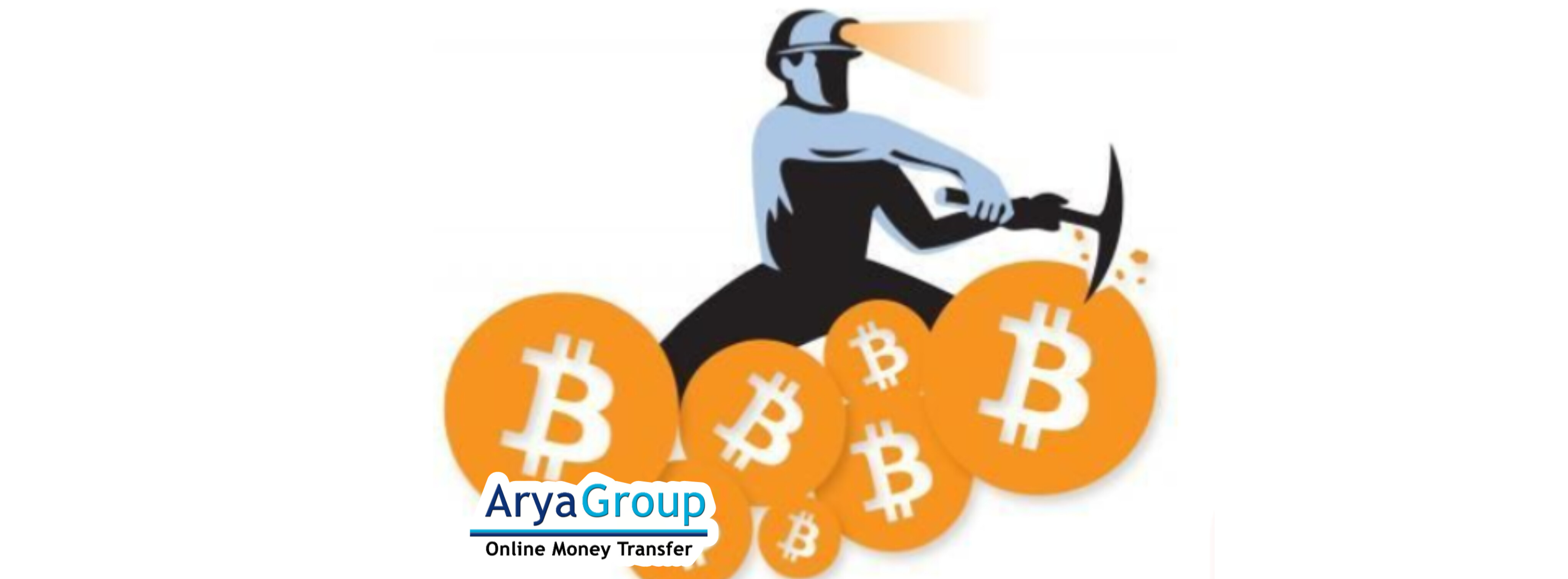
MARA Holdings, one of the largest Bitcoin mining companies in the cryptocurrency industry, significantly increased spending on executive protection during 2025 as security threats targeting crypto executives and wealthy digital asset holders continued rising worldwide. According to recent reports, the company spent approximately four-point-three million dollars on personal security measures for its chief executive officer, reflecting growing concern across the crypto sector about physical and cyber-related threats.
The decision highlights how rapidly the cryptocurrency industry has evolved from a niche technological movement into a global financial ecosystem involving massive wealth, institutional capital, and influential public figures. As digital assets continue attracting investors and corporations, security risks surrounding high-profile individuals within the industry have become far more serious than in previous years.
Over the past year, several incidents involving kidnappings, extortion attempts, cyberattacks, and personal threats against crypto entrepreneurs have raised alarm throughout the market. Security experts explain that individuals associated with large cryptocurrency holdings are increasingly becoming targets for organized criminal groups seeking financial gain through intimidation or cyber exploitation.
Reports suggest that MARA’s increased security spending included personal protection teams, transportation security, residential monitoring systems, cybersecurity infrastructure, and additional preventive measures designed to reduce risks for senior leadership. Industry analysts believe this reflects a broader trend emerging across the digital asset sector, where companies are now treating executive protection as a major operational priority.
The rapid appreciation of digital assets over recent years has created enormous concentrations of wealth within the cryptocurrency industry. Executives connected to mining firms, blockchain companies, exchanges, and investment platforms often control or oversee assets worth billions of dollars. As a result, these individuals have become more visible targets both online and offline.
Security professionals warn that the decentralized nature of cryptocurrencies creates unique risks compared with traditional finance. Unlike conventional banking systems, digital assets can often be transferred instantly across borders with limited recovery options if funds are stolen. This makes crypto-related crimes particularly attractive to hackers and criminal organizations.
The rise in security concerns has also coincided with increasing public visibility of crypto executives. Many industry leaders frequently appear in media interviews, social media discussions, conferences, and public investment events. While this visibility helps companies build influence and investor confidence, it can also expose executives to greater personal risk.
Cybersecurity remains another major challenge for the cryptocurrency industry. Hackers continue targeting exchanges, decentralized finance platforms, blockchain infrastructure, and private wallets. Billions of dollars have been lost through security breaches, phishing attacks, smart-contract vulnerabilities, and ransomware campaigns over the past several years.
Analysts note that mining companies like MARA face additional layers of risk because of the scale of their operations. Large mining facilities require expensive infrastructure, significant energy resources, and access to valuable digital assets. These operations may become attractive targets for both cybercriminals and physical threats, especially as competition within the mining sector intensifies globally.
The increase in executive protection spending also reflects changing attitudes among institutional investors. Large financial firms and shareholders increasingly expect cryptocurrency companies to implement stronger risk management practices similar to those used in traditional corporate environments. Security planning is now viewed as an essential part of protecting both leadership stability and shareholder interests.
Some market observers believe the rising cost of security may eventually become a standard expense across the cryptocurrency industry. As digital assets continue integrating into mainstream finance, companies may need to allocate larger portions of their budgets toward executive protection, cybersecurity systems, and operational risk prevention.
The broader cryptocurrency market continues experiencing rapid institutionalization. Major banks, hedge funds, technology firms, and publicly traded corporations are expanding involvement in blockchain-related businesses. However, this growth has also increased pressure on companies to operate with higher levels of professionalism, governance, and security oversight.
At the same time, concerns about regulatory uncertainty and global geopolitical instability continue influencing the industry. Economic tensions, financial sanctions, and cyber warfare risks have increased awareness about vulnerabilities connected to digital financial infrastructure. Governments worldwide are therefore paying closer attention to cybersecurity standards within the cryptocurrency ecosystem.
Despite rising operational costs, many industry leaders argue that enhanced security measures are necessary for the long-term stability of the sector. They believe stronger protection systems can improve investor confidence and reduce risks associated with managing large-scale digital asset operations.
The situation surrounding MARA also demonstrates how the cryptocurrency industry is maturing beyond its earlier experimental phase. What once operated largely as a decentralized technology movement is now functioning as a highly valuable global financial sector that must deal with the same security realities faced by banks, multinational corporations, and major investment firms.
Analysts expect security spending across the crypto industry to continue increasing in the coming years as adoption expands and more institutional capital enters the market. Companies that fail to strengthen protection systems may face greater operational, legal, and reputational risks in an increasingly competitive environment.
Ultimately, MARA’s multimillion-dollar executive protection costs illustrate a major transformation occurring within the cryptocurrency industry. As digital assets become more valuable and globally integrated, the risks associated with leadership exposure, cybercrime, and financial security continue intensifying. The future of the industry may therefore depend not only on technological innovation, but also on the ability of companies to protect their infrastructure, executives, and investors from evolving threats.
Add New Comment