



The Meme Coin Jungle: A Wild World of Crypto The cryptocurrency market has developed into a vast ecosystem where thousands of digital assets compete for attention, investment, and community support. Among the most unpredictable corners of this ecosystem is the meme coin jungle. Unlike cryptocur...

Dead Cat Bounce in Cryptocurrency: A Trap Hidden Inside a Rally A dead cat bounce is one of the most deceptive price movements in cryptocurrency markets. It happens when an asset experiences a sharp decline, briefly recovers, and then resumes its downward movement. The temporary rebound can ...

What Is a Cliff in Cryptocurrency? What Does Cliff Mean in Crypto? In the cryptocurrency industry, a cliff is a specific period during which a person or group receives none of the tokens allocated to them. Once that period ends, token vesting begins according to the project's predefined ...

Selfish Mining in Cryptocurrency Selfish mining is a lesser-known concept in cryptocurrency that shows how miners can sometimes benefit by keeping newly discovered blocks private instead of immediately broadcasting them. The strategy is mainly associated with Proof-of-Work blockchains, where mi...

What Is Whale Accumulation in Cryptocurrency? In the cryptocurrency market, large transactions can sometimes reveal important changes in investor behavior. One of the most closely watched phenomena is whale accumulation—the process in which individuals, institutions, or entities holding s...

What Is a Shrimp in Cryptocurrency? In cryptocurrency, the term “shrimp” describes a wallet or investor that holds a very small amount of a particular cryptocurrency, especially Bitcoin. Crypto communities often use animal-based terms to describe investors according to the size of t...
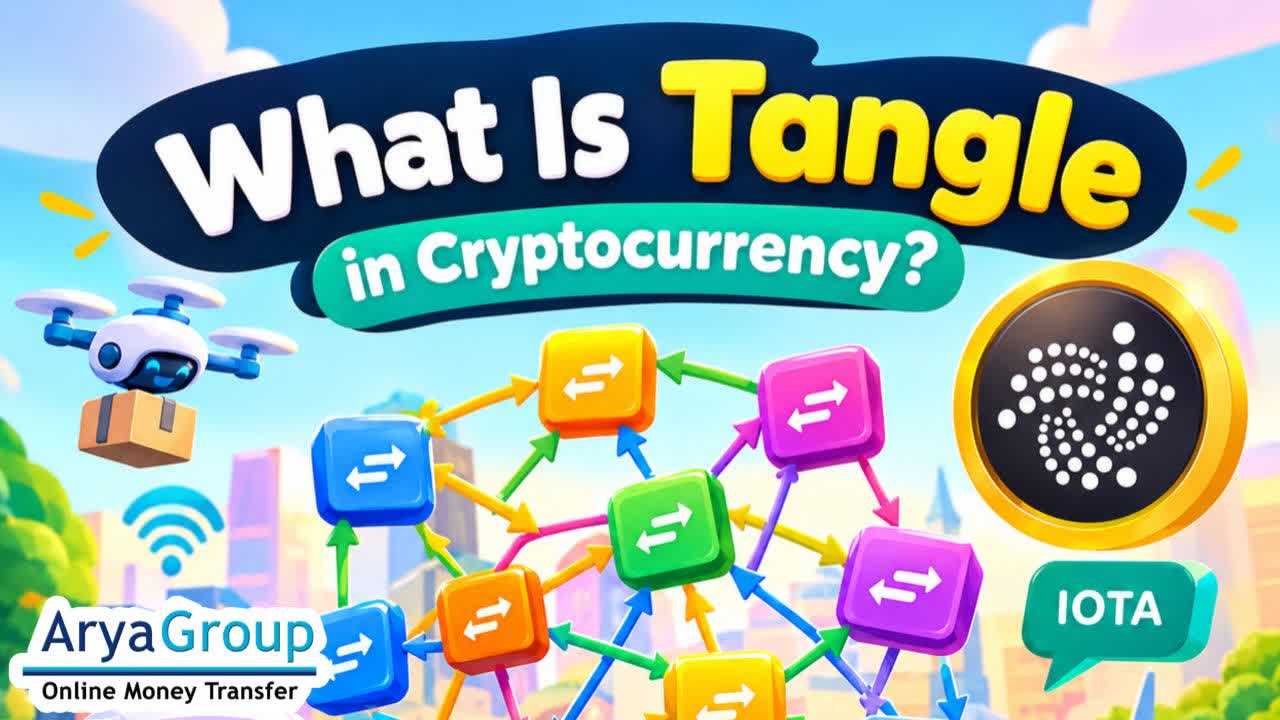
What Is Tangle in Cryptocurrency? The world of cryptocurrency is mostly associated with blockchain, but not every digital-asset network uses a traditional chain of blocks. Tangle is a different type of distributed ledger developed for the IOTA ecosystem. Instead of placing transactions into blo...

What Is Tendermint in Cryptocurrency? Tendermint is a blockchain consensus technology designed to help computers in a decentralized network agree on the same transactions and maintain a consistent blockchain. Rather than relying on energy-intensive mining like Bitcoin's original Proof-of-Wo...

What Is SWIFT in Cryptocurrency? When people first encounter the term SWIFT in discussions about cryptocurrency, they may assume that SWIFT is another digital currency or blockchain project. That is not the case. SWIFT is a global financial messaging network used by banks and other financial inst...

What Is Mina Protocol (MINA) in Cryptocurrency? Understanding Mina Protocol Mina Protocol is a Layer 1 blockchain designed to solve one of the major challenges facing traditional blockchain networks: increasing size and complexity. As blockchains process more transactions, their historica...

What Is Plutus in Cryptocurrency? Plutus is one of the important technologies behind smart contracts on the Cardano blockchain. Although it is sometimes mentioned alongside cryptocurrencies and digital assets, Plutus itself is not a cryptocurrency or a tradable coin. Instead, it is a smart-cont...

What Is Plasma in Cryptocurrency? Plasma is a Layer 1 blockchain designed around one specific goal: making stablecoins more practical for everyday payments and global money transfers. Unlike general-purpose networks that try to support every type of decentralized application, Plasma places stab...

Shibarium: A Layer-2 Network for Shiba Inu Shibarium is a Layer-2 blockchain developed around the Shiba Inu ecosystem. Its main purpose is to provide a faster and more efficient environment for transactions and decentralized applications while reducing some of the limitations associated with us...

What Are Parachains in Cryptocurrency? The blockchain industry has grown far beyond the idea of using one network for everything. As more decentralized applications, financial services, games, and digital assets enter the market, blockchains need to process transactions efficiently while remain...

Mantle (MNT): A New Path for Ethereum Mantle (MNT) has emerged as one of the notable projects in Ethereum’s Layer 2 ecosystem, combining blockchain scaling with a broader financial ecosystem. Rather than competing with Ethereum directly, Mantle is designed to operate on top of it, aiming ...

Nightshade: The Technology Behind NEAR’s Blockchain Scaling When people hear the word “Nightshade” in the cryptocurrency industry, they may assume it refers to a digital currency or a crypto token. In reality, Nightshade is the sharding architecture developed for NEAR Protocol...

Crypto Dust: The Tiny Balances You Shouldn’t Ignore What Is Dust in Cryptocurrency? In the cryptocurrency world, the word “dust” refers to an extremely small amount of digital currency or tokens. The balance is usually so tiny that moving or spending it may cost as much as,...
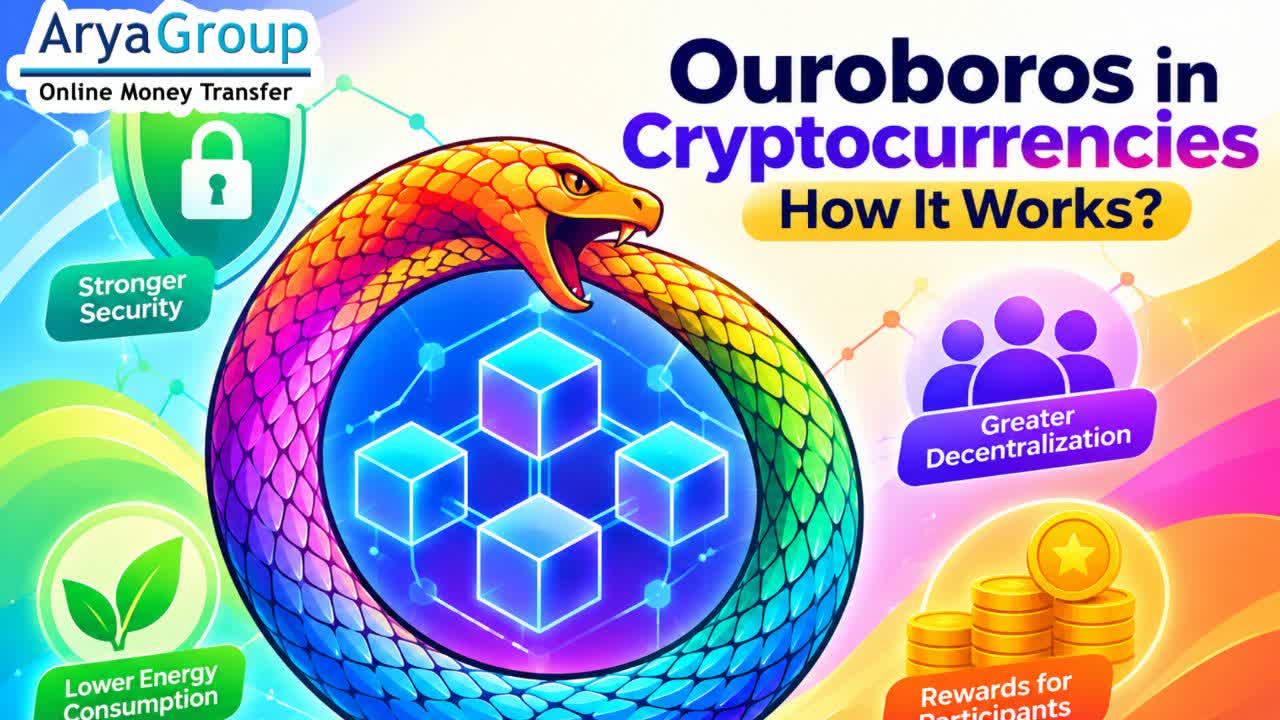
Ouroboros in Cryptocurrency: How It Works Ouroboros is one of the best-known blockchain consensus protocols, particularly because it forms the technological foundation of Cardano. Designed as a proof-of-stake (PoS) system, Ouroboros provides a way for blockchain networks to validate transaction...
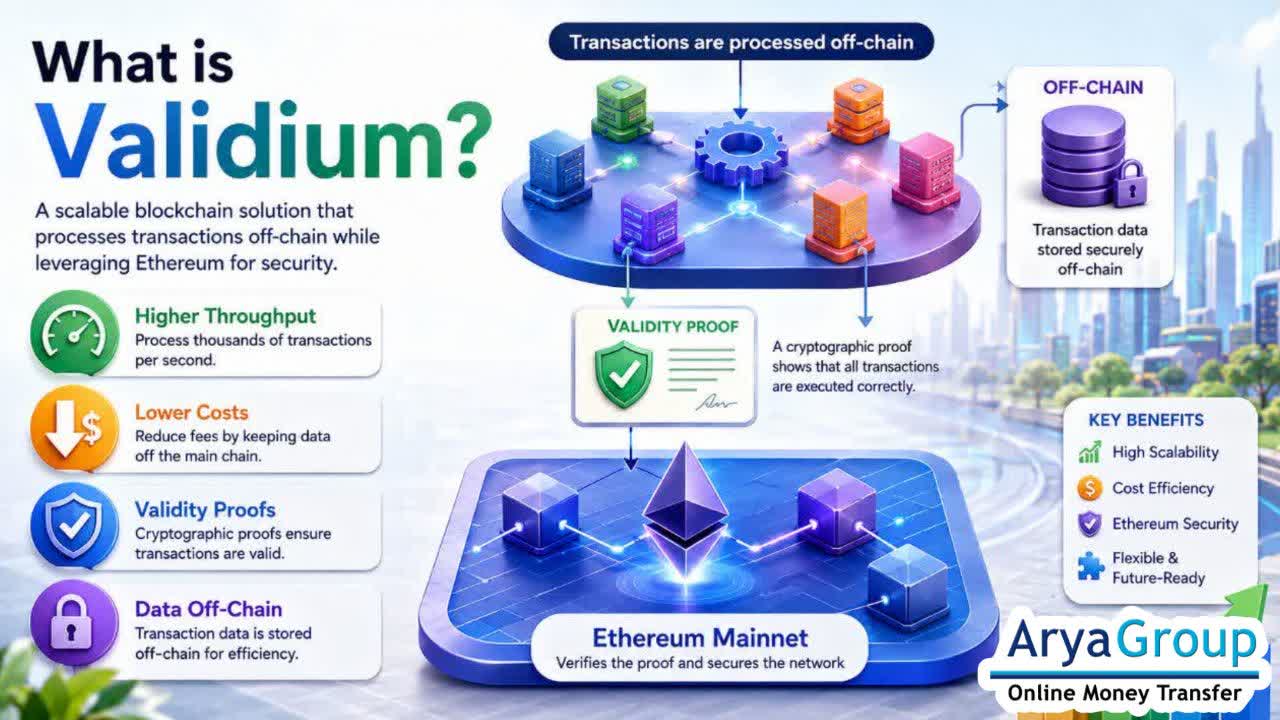
What Is Validium in Cryptocurrency? Validium is a blockchain scaling technology designed to make networks such as Ethereum faster and more efficient. It processes transactions outside the Ethereum main network while using cryptographic validity proofs to show that those transactions were proces...
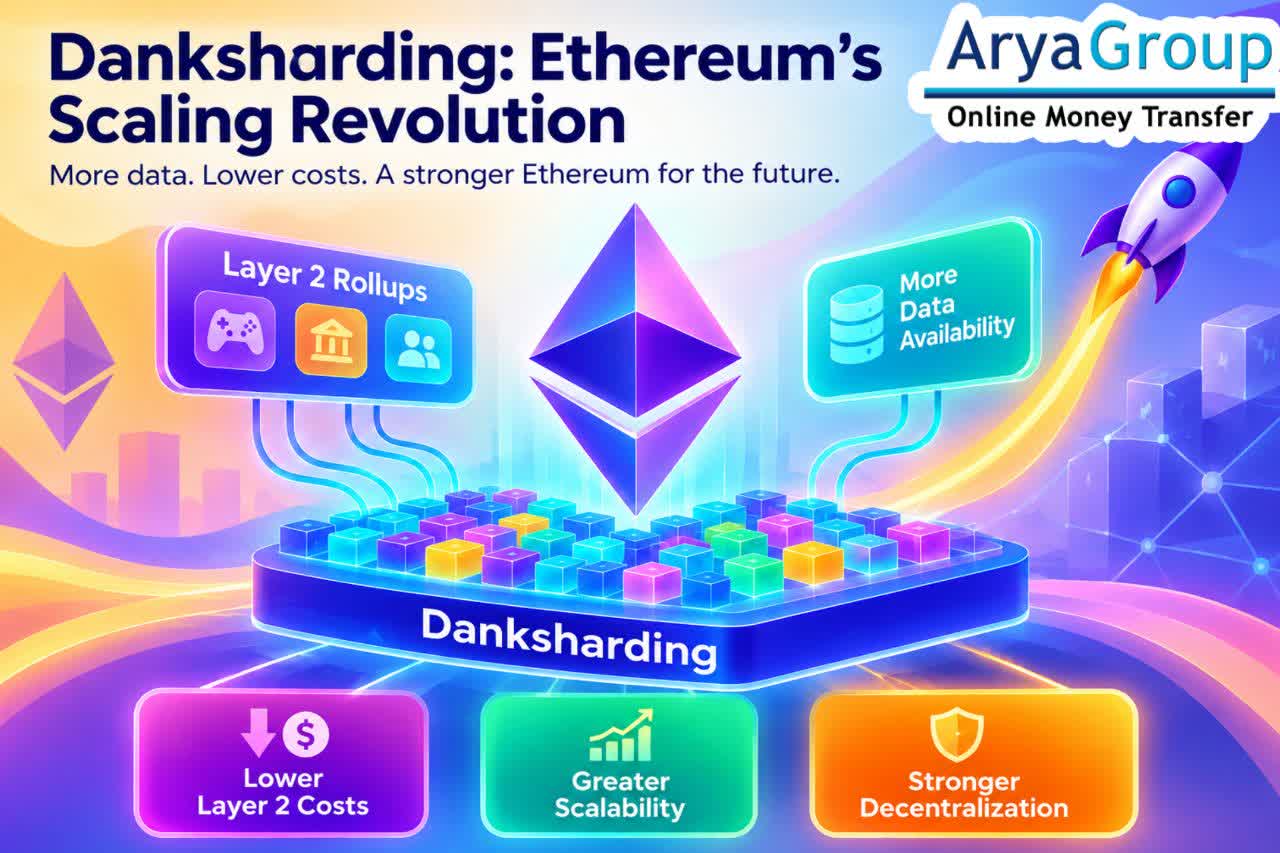
Danksharding in Cryptocurrency: Scaling Ethereum for the Future Danksharding is one of the most important developments in Ethereum’s long-term scaling strategy. As blockchain networks attract more users, applications, and transactions, the ability to process large amounts of data quickly ...
